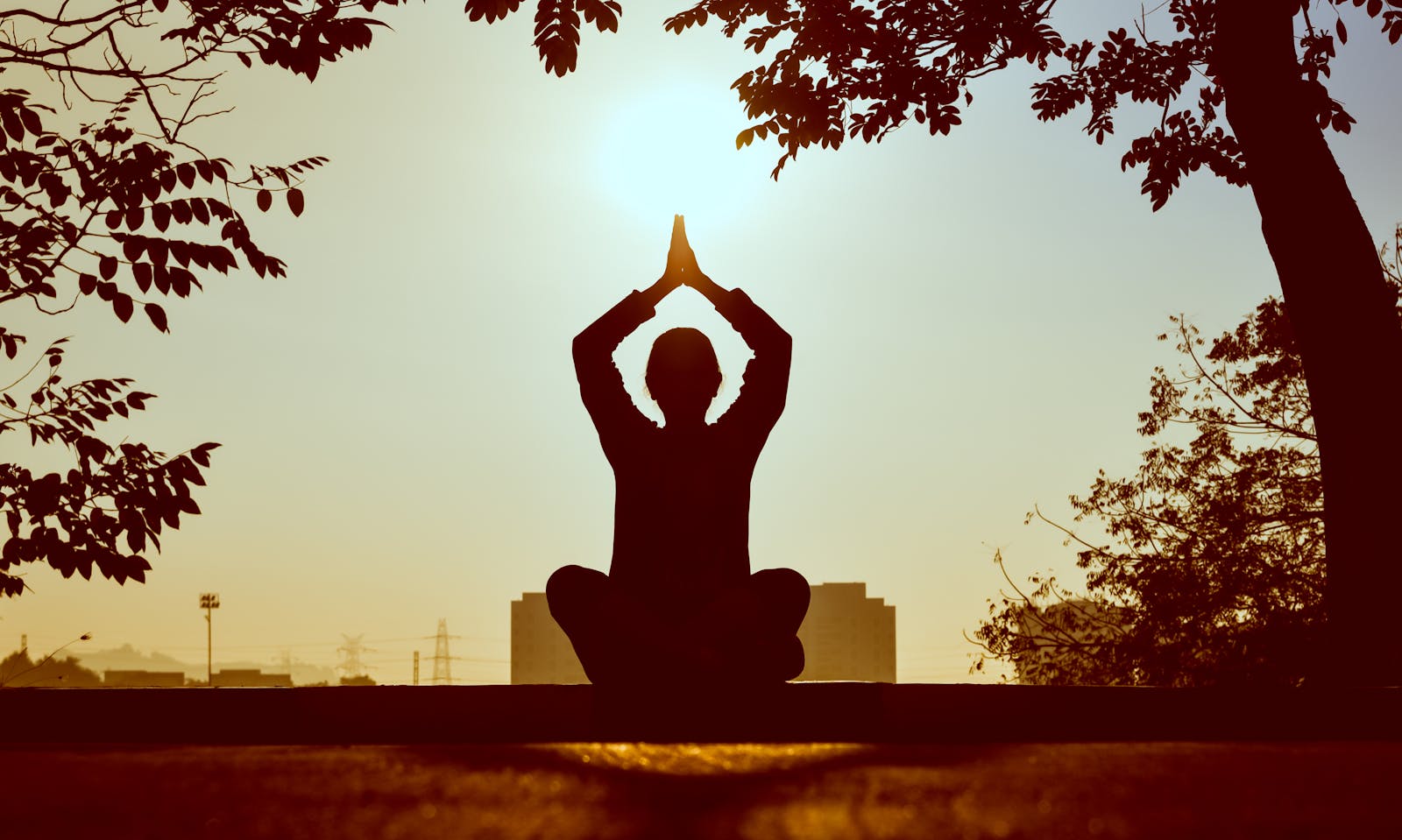
Forget everything you think you know about meditation. Throw out the images of serene monks sitting in perfect lotus position for hours, the expensive retreats in exotic locations, and the idea that you need to empty your mind completely to “do it right.” Meditation isn’t about achieving some mystical state of enlightenment—it’s about training your brain like you’d train any other muscle, and just like physical fitness, there are different workouts for different goals.
Think of meditation as mental weightlifting. You wouldn’t walk into a gym and immediately attempt to deadlift 400 pounds, so why do we expect to sit still and achieve perfect mental clarity on day one? Like any effective training program, meditation requires understanding which techniques work for your specific mental fitness level and life circumstances.
The Breathing Gym: Your Mental Push-Ups
Box Breathing: The Foundation Movement Imagine your breath as drawing a perfect square in your mind. Inhale for four counts (drawing the first side), hold for four counts (second side), exhale for four counts (third side), hold empty for four counts (fourth side). Complete the square, start again.
This isn’t just hippie nonsense—Navy SEALs use box breathing to stay calm under extreme pressure. When your nervous system is firing alarm bells, box breathing is like hitting the reset button on your fight-or-flight response. It works because it gives your overactive mind a simple, repetitive task that crowns out anxiety spirals.
The 4-7-8 Sleep Inducer If box breathing is your daily mental exercise, 4-7-8 breathing is your heavy sedative. Inhale through your nose for 4 counts, hold for 7, exhale completely through your mouth for 8. Repeat three to four times maximum—this technique is so effective at triggering your body’s relaxation response that doing it too many times can make you dizzy.
This works because the extended exhale activates your parasympathetic nervous system, essentially telling your body it’s safe to power down. It’s like manually flipping the switch from “high alert” to “rest mode.”
Focus Training: Mental Target Practice
Candle Flame Concentration: Visual Anchoring Light a candle and place it three feet in front of you at eye level. Stare at the flame—not aggressively, but with the same gentle focus you’d use to watch a campfire. When your mind wanders (and it will), simply bring your attention back to the flame’s movement, colors, and shape.
This technique works because it gives your visual cortex a job, preventing it from generating the mental movies that usually distract you. It’s like giving a hyperactive child a specific task—suddenly all that energy has somewhere productive to go.
Sound Meditation: Audio Anchoring Choose a repetitive sound—rain, ocean waves, a singing bowl, or even a fan. Instead of trying to ignore sounds (which is impossible), make the sound your meditation partner. Listen to its layers, variations, and subtleties. When thoughts intrude, treat them like background noise and return your attention to your chosen sound.
This technique is perfect for people who live in noisy environments or have busy minds. Instead of fighting against sound, you’re using it as your meditation anchor.
Movement Meditation: For People Who Can’t Sit Still
Walking Meditation: The Commuter’s Secret Weapon Pick a route you walk regularly—to your car, around the block, even pacing in your living room. Walk at about half your normal speed and focus entirely on the physical sensations: your feet touching the ground, your legs moving, your arms swinging, your balance shifting.
This isn’t about going anywhere—it’s about being completely present in the act of walking. When your mind starts planning your day or replaying conversations, bring attention back to the physical sensation of each step.
Washing Dishes Meditation: Household Zen Transform the most mundane chores into meditation practice. Feel the warm water on your hands, notice the texture of soap bubbles, observe how dishes transform from dirty to clean. Engage all your senses—the sound of running water, the smell of dish soap, the visual satisfaction of clean plates.
This technique proves that meditation doesn’t require special equipment or dedicated time—it requires dedicated attention to whatever you’re already doing.
The Emotional Processing Gym
Body Scan: Internal Weather Reporting Lie down and systematically check in with every part of your body, starting from your toes and working upward. Don’t try to change anything—just notice. Is your jaw clenched? Are your shoulders raised? Is your stomach tight?
Think of this as taking your body’s emotional temperature. Emotions create physical sensations, and by learning to recognize these sensations without immediately reacting, you develop emotional intelligence and stress awareness.
Loving-Kindness: The Empathy Workout Start by directing kind thoughts toward yourself: “May I be happy, may I be healthy, may I be at peace.” Then extend these wishes to someone you love, someone neutral, someone difficult, and finally all living beings.
This isn’t about becoming artificially positive—it’s about strengthening your capacity for compassion, starting with self-compassion. Research shows loving-kindness meditation literally rewires your brain to be less reactive to stress and more connected to others.
The Thought Gym: Mental Judo
Noting Practice: The Observer’s Technique Instead of trying to stop thoughts, simply label them as they arise: “planning,” “worrying,” “remembering,” “judging.” Don’t elaborate or engage—just note the category and return to your breath or chosen focus point.
This creates psychological distance between you and your thoughts. Instead of being caught up in the drama of your mental stories, you become the calm observer watching thoughts come and go like clouds passing through the sky.
The 5-4-3-2-1 Grounding Technique Notice 5 things you can see, 4 things you can touch, 3 things you can hear, 2 things you can smell, and 1 thing you can taste. This technique pulls you out of mental time travel (anxiety about the future or dwelling on the past) and anchors you firmly in the present moment.
This is particularly effective during anxiety attacks or when you’re feeling emotionally overwhelmed. It’s like throwing an anchor to stop yourself from being swept away by emotional currents.
The Micro-Meditation Revolution
Red Light Meditation Every time you hit a red light while driving, take three deep breaths and notice something beautiful around you—tree branches, cloud formations, the way light hits a building. Transform traffic frustration into mindfulness moments.
Elevator Meditation Use elevator rides for brief breathing exercises. Feel your feet on the ground, take three conscious breaths, and arrive at your floor more centered than when you entered.
Commercial Break Breathing During TV commercial breaks, practice box breathing or simply focus on your natural breath rhythm. Turn advertising interruptions into mindfulness opportunities.
The Consistency Code: Making It Stick
The most effective meditation practice isn’t the most exotic or complex—it’s the one you’ll actually do consistently. Five minutes of daily breathing exercises beats an hour-long session you do once a month.
Start ridiculously small. Commit to just two minutes daily for one week. If that feels manageable, add another minute the following week. The goal is building the habit, not achieving some mythical state of perpetual calm.
The Integration Strategy Link meditation to an existing habit. Meditate immediately after brushing your teeth, before checking your phone in the morning, or right when you get home from work. This piggybacking technique makes consistency almost automatic.
The Real Benefits: What Actually Happens
Meditation won’t turn you into a blissed-out zen master who never feels stressed. What it will do is give you space between stimulus and response. Instead of immediately reacting to stressful situations, you’ll develop the ability to pause, assess, and choose your response.
You’ll sleep better because your mind won’t race as much at bedtime. You’ll be less reactive in conflicts because you’ve practiced observing emotions without being overwhelmed by them. You’ll find more enjoyment in simple pleasures because you’ve trained your attention to be present rather than constantly planning ahead or rehashing the past.
Most importantly, you’ll develop what psychologists call “metacognition”—awareness of your own thinking patterns. This is like having a wise, calm friend living inside your head who can say, “Hey, you’re spiraling into anxiety right now. Want to try that breathing technique instead?”
The goal isn’t to eliminate stress, difficult emotions, or challenging thoughts. The goal is to change your relationship with them, transforming from a victim of your mental weather to a skilled navigator who can find calm in any storm.